



Learn how to rebuild a relationship through accountability, trust, healthy communication, emotional consistency, and mutual effort. This guide explains practical healing steps, common mistakes to avoid, counseling support, and ways to restore connection after conflict or betrayal.
A broken relationship can feel like standing in the rubble of something you spent years building. The trust feels gone, the conversations feel tense, and you might wonder if repair is even possible. The good news is that many relationships not only survive hard seasons but come out stronger on the other side.
This guide is for anyone who wants to know how to rebuild a relationship after betrayal, distance, conflict, or slow drifting apart. Whether you’re recovering from a major rupture or simply trying to reconnect with someone you love, the path forward involves real effort, patience, and a willingness to change.
Here’s what you’ll walk away with:
- A clear understanding of what relationship repair actually requires
- Practical steps to rebuild trust and restore connection
- A roadmap for healthy communication and emotional consistency
- A comparison table of the key stages involved
- Answers to the most common questions about healing a relationship
Let’s begin where every real repair starts: with honesty.
What It Really Means to Rebuild a Relationship

Learning how to rebuild a relationship isn’t about pretending the hurt never happened. It’s about facing what went wrong, taking ownership of your part, and choosing to grow together rather than apart. Repair is a process, not a single conversation or a quick apology.
Think of it like restoring an old house. You don’t paint over the cracks and hope they disappear. You strip things back, examine the foundation, fix what’s broken, and rebuild with stronger materials. Relationships work the same way. The cracks need attention before the surface can shine again.
Repair Is a Choice You Both Make
A relationship can only heal when both people genuinely want it to. One person can start the process, but lasting repair requires shared commitment. If only one partner is doing the work, the imbalance eventually creates more pain. The first step is making sure you’re both choosing this together.
This shared choice doesn’t mean you’ll feel certain every day. Doubt is normal during repair. What matters is that you keep showing up, even on the hard days, because consistency is what slowly rebuilds safety.
Why Rebuilding Takes Time
There’s no shortcut to healing. Trust that took years to break won’t return in a weekend. Many couples grow frustrated because they expect quick results, but rushing the process often causes setbacks. Patience isn’t passive waiting; it’s active, ongoing effort over weeks and months.
When you accept that the timeline belongs to the relationship rather than your impatience, you relieve a lot of pressure. Healing happens in small, repeated moments, not in one grand gesture.
The First Step: Accountability and Honest Reflection
Before you can move forward, you have to look back honestly. Every successful effort to rebuild a relationship starts with accountability. This means owning your actions without excuses, blame-shifting, or minimizing.
Take Responsibility for Your Part
Even if you feel the other person caused most of the damage, reflect on your own contributions. Maybe you withdrew emotionally, reacted with anger, or stopped listening. Naming your part shows maturity and creates space for genuine repair. It also invites your partner to do the same.
Accountability isn’t about self-punishment. It’s about clarity. When you can say, “Here’s what I did, and here’s how it affected you,” you give the relationship a foundation of truth to build on.
Listen Without Defending
When your partner shares their pain, resist the urge to defend yourself immediately. Defensiveness shuts down honesty and signals that you care more about being right than understanding their experience. Instead, listen fully, ask questions, and let them feel heard.
This kind of listening is harder than it sounds. It requires sitting with discomfort and resisting the instinct to explain yourself. But it’s one of the most powerful tools in relationship repair.
Apologize With Meaning
A real apology goes beyond “I’m sorry.” It names the specific harm, acknowledges the impact, and expresses a genuine desire to change. Empty apologies feel hollow and often deepen the wound. A meaningful apology, on the other hand, becomes a turning point.
How to Rebuild Trust After It’s Broken
Trust is the heartbeat of any close relationship. Once it’s broken, everything feels shaky. To rebuild trust, you need consistent action over time, not just promises. Words matter, but behavior matters far more.
Match Your Actions to Your Words
If you say you’ll change, show it through daily choices. When your actions consistently align with your words, trust slowly returns. One broken promise during this fragile stage can undo weeks of progress, so reliability becomes essential.
Small, repeated proof of trustworthiness adds up. Following through on little things signals that you can be counted on for the big things too.
Be Transparent
Secrecy feeds suspicion. During the rebuilding phase, openness helps your partner feel safe again. This might mean sharing more about your day, being honest about your feelings, or answering questions patiently even when they feel repetitive.
Transparency isn’t about surrendering all privacy forever. It’s a temporary, voluntary openness that helps restore confidence while the wound heals.
Allow Space for Doubt
Your partner may struggle to trust you even when you’re doing everything right. Healing isn’t linear, and old fears can resurface. Respond with patience rather than frustration. Pushing someone to “just trust you already” usually backfires.
When you allow space for their doubt without taking it personally, you demonstrate the very steadiness that rebuilds trust.
Healthy Communication: The Foundation of Repair
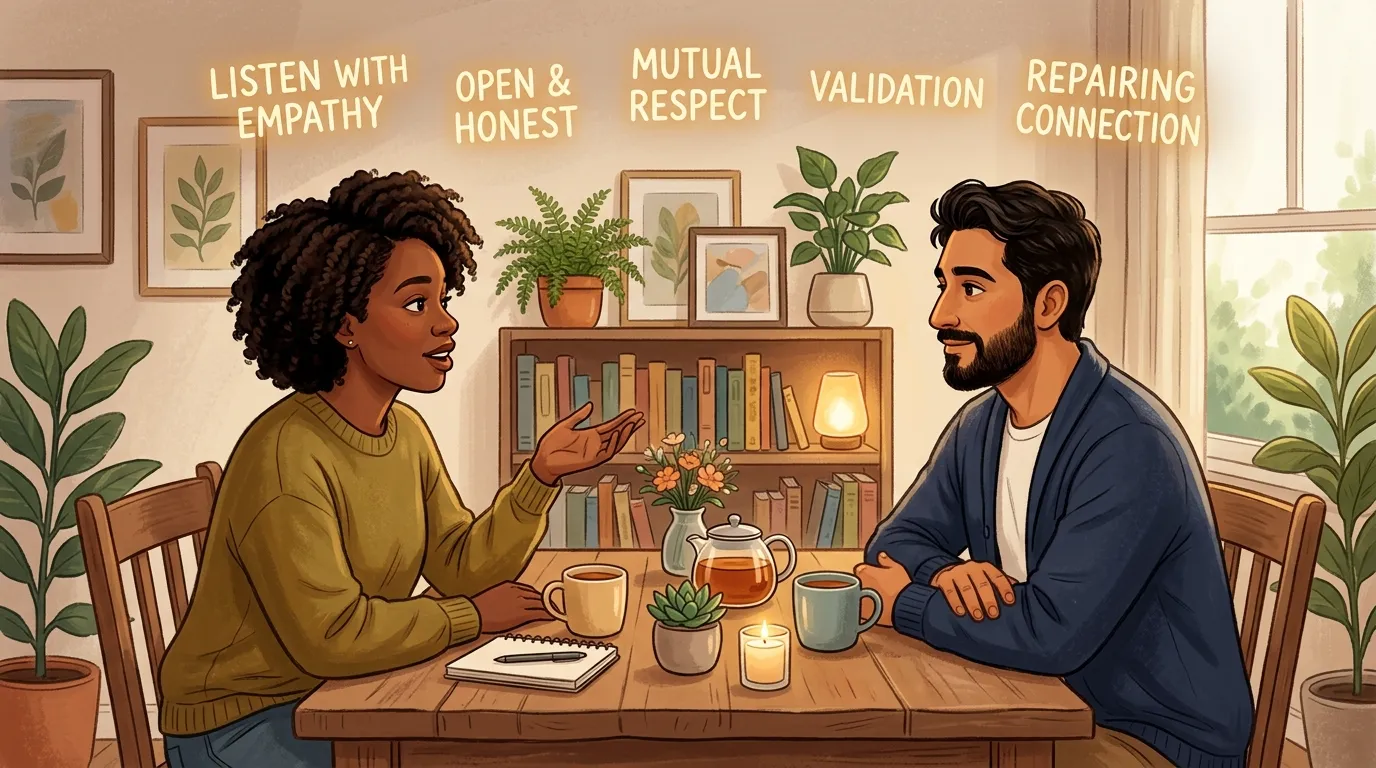
You can’t rebuild a relationship without healthy communication. So many ruptures grow from misunderstandings, unspoken needs, and reactive arguments. Learning to talk and listen well changes everything.
Speak From Your Own Experience
Use “I” statements instead of “you” accusations. Saying “I feel hurt when plans change last minute” invites understanding, while “You always cancel on me” invites defensiveness. This small shift keeps conversations open rather than combative.
When both partners speak from their own experience, blame fades and connection grows. You start solving problems together instead of attacking each other.
Listen to Understand, Not to Reply
Most people listen just long enough to form a response. Real listening means focusing fully on what your partner is saying and trying to understand their world. Reflect back what you hear to confirm you’ve truly understood.
This habit alone can transform a relationship. Feeling genuinely heard is one of the deepest human needs, and meeting it builds powerful closeness.
Manage Conflict Without Damage
Disagreements are normal. The goal isn’t to avoid conflict but to handle it without causing harm. Take breaks when emotions run high, avoid name-calling, and return to the conversation when you’re both calmer.
Quick Tips for Calmer Conflict
- Pause before reacting when you feel triggered
- Stick to one issue at a time
- Avoid bringing up old grievances
- Focus on the problem, not your partner’s character
- Agree to take a timeout if things escalate
Setting Healthy Boundaries
Boundaries often get misunderstood as walls, but they’re really bridges to respect. Clear boundaries protect both people and create the safety needed to rebuild a relationship.
Define What You Need
Boundaries start with knowing your own limits. What behaviors feel acceptable? What crosses a line? When you understand your needs, you can communicate them clearly instead of expecting your partner to guess.
Healthy boundaries aren’t demands or ultimatums. They’re honest statements about what helps you feel safe and respected in the relationship.
Respect Each Other’s Limits
Once boundaries are shared, honor them. Repeatedly ignoring a partner’s boundary signals that their needs don’t matter, which erodes trust further. Respecting limits, even when you disagree, shows that you value their wellbeing.
Over time, mutual respect for boundaries creates a relationship where both people feel secure enough to be vulnerable again.
Emotional Consistency: Showing Up Every Day
One of the most overlooked parts of rebuilding is emotional consistency. Grand gestures feel romantic, but steady, reliable presence is what truly heals. Your partner needs to know who they’ll get each day.
Be Predictable in the Best Way
Emotional consistency means responding with steadiness rather than swinging between warmth and coldness. When your partner can count on your calm presence, they relax and trust deepens. Unpredictable moods keep people on edge and stall healing.
This doesn’t mean hiding your feelings. It means handling them in a stable, considerate way rather than letting them control the relationship.
Small Acts of Care Add Up
A kind text, a thoughtful gesture, or simply asking about their day shows ongoing care. These small moments matter more than occasional big displays. Consistency in the little things proves your commitment is real.
Key Stages of Rebuilding a Relationship
The table below breaks down the main stages and actions involved in relationship repair. Use it as a roadmap when you feel unsure of your next step.
|
Stage |
What It Involves |
Why It Matters |
Common Pitfall |
|---|---|---|---|
|
Accountability |
Owning your actions honestly |
Builds a foundation of truth |
Blaming or minimizing |
|
Healthy Communication |
Speaking and listening openly |
Prevents misunderstandings |
Defensiveness |
|
Boundaries |
Defining and respecting limits |
Creates safety and respect |
Ignoring stated needs |
|
Trust Rebuilding |
Matching actions to words |
Restores confidence over time |
Breaking small promises |
|
Emotional Consistency |
Showing steady, reliable care |
Helps your partner feel safe |
Hot-and-cold behavior |
|
Counseling Support |
Getting professional guidance |
Offers tools and neutral space |
Waiting until it’s too late |
As the table shows, each stage builds on the others. Trust rebuilding can’t fully take root without accountability and consistency, and communication ties everything together. Progress in one area often strengthens the rest.
When to Consider Couples Counseling
Sometimes love and effort aren’t enough on their own. Professional support can make the difference between staying stuck and moving forward. Couples counseling offers a neutral space and proven tools for healing.
How Counseling Helps
A trained therapist helps you understand patterns you can’t see on your own. They guide difficult conversations, teach communication skills, and help both partners feel heard. Counseling isn’t a sign of failure; it’s a sign of commitment to repair.
Many couples wait until things feel hopeless before seeking help. Reaching out earlier often makes the process smoother and more effective. There’s real strength in asking for guidance.
Finding the Right Support
If you’re ready to explore professional help, finding a qualified therapist is a powerful next step.
This resource lets you search for licensed professionals who specialize in relationship repair. You can filter by location, approach, and specialty to find someone who fits your needs. Taking this step shows real dedication to rebuilding your connection.
What to Expect in Sessions
Early sessions usually focus on understanding your history and current struggles. Over time, the therapist helps you practice new skills and work through specific issues. Progress depends on both partners’ willingness to engage honestly.
Common Mistakes That Stall Relationship Repair
Even with good intentions, people often fall into traps that slow healing. Knowing these pitfalls helps you avoid them.
- Rushing the process: Expecting trust to return overnight creates frustration and disappointment.
- Bringing up the past constantly: Using old wounds as weapons keeps reopening them.
- Skipping accountability: Trying to move on without owning your part leaves the foundation weak.
- Avoiding hard conversations: Sweeping issues under the rug lets resentment grow.
- Keeping score: Tracking who did more harm turns repair into a competition.
- Giving up too soon: Healing has setbacks, and quitting at the first stumble forfeits real progress.
Steering clear of these mistakes keeps your efforts pointed in the right direction.
Rebuilding Intimacy and Connection

Once trust begins to return, you can focus on rekindling closeness. Intimacy isn’t only physical; it’s emotional, intellectual, and shared experience too.
Reconnect Through Shared Time
Spend intentional time together doing things you both enjoy. Shared experiences create new positive memories that gradually replace painful ones. These moments remind you both why the relationship is worth saving.
You don’t need elaborate plans. A walk, a meal, or an honest conversation can do more than expensive outings. Presence matters more than grandeur.
Rebuild Emotional Closeness
Open up about your hopes, fears, and dreams again. Vulnerability invites vulnerability, and sharing your inner world rebuilds the emotional bond. As safety grows, so does the desire to connect more deeply.
Be Patient With Physical Intimacy
Physical closeness often returns slowly after a rupture. Don’t force it. Let it follow naturally as emotional trust strengthens. Pressuring physical intimacy before emotional safety returns can set you back.
How to Maintain a Rebuilt Relationship
Repair isn’t a one-time project. Once you’ve worked to rebuild a relationship, you have to protect what you’ve created. Maintenance keeps you from sliding back into old patterns.
Keep Communicating Regularly
Schedule regular check-ins where you talk about how things are going. These conversations catch small issues before they grow. Ongoing communication keeps you connected and prevents distance from creeping back.
Keep Practicing What Worked
The habits that healed your relationship need to continue. Accountability, consistency, and respect aren’t one-time efforts. Keep nurturing them so the foundation stays strong.
Celebrate Your Progress
Acknowledge how far you’ve come. Recognizing your growth reinforces your bond and motivates you to keep going. Celebrating progress, even small wins, reminds you both that the effort is paying off.
Frequently Asked Questions About Rebuilding a Relationship
How do you start to rebuild a relationship after betrayal?
Start with honest accountability and a genuine apology that names the harm caused. The person who broke trust must show consistent, transparent behavior over time. Listen to your partner’s pain without defending yourself, and give them space to heal. Patience and steady effort matter far more than quick promises.
How long does it take to rebuild trust in a relationship?
There’s no fixed timeline, since healing depends on the depth of the damage and both partners’ efforts. For many couples, rebuilding trust takes several months to a year or more. Consistency is what shortens the process, while broken promises extend it. Focus on steady daily progress rather than a specific deadline.
Can a relationship go back to normal after it’s broken?
A relationship rarely returns to exactly how it was, but it can become healthier and stronger than before. The goal isn’t to recreate the past but to build something new on a sturdier foundation. Many couples find deeper understanding and closeness after working through hard times. Growth, not perfection, is the realistic aim.
What is the most important step in relationship repair?
Accountability tends to be the most important first step, because everything else builds on honesty. Without owning your part, apologies feel empty and trust can’t take root. Genuine responsibility creates the foundation of truth that healing requires. From there, communication and consistency carry the process forward.
How can we improve communication while rebuilding?
Practice speaking from your own experience using “I” statements instead of blame. Listen to understand rather than to reply, and reflect back what you hear. Manage conflict calmly by taking breaks when emotions rise and focusing on one issue at a time. Healthy communication grows with patience and consistent practice.
Is couples counseling worth it for a struggling relationship?
Yes, couples counseling offers tools, neutral guidance, and a safe space to work through difficult issues. A trained therapist helps you see patterns you might miss on your own. Seeking help isn’t a sign of failure; it shows real commitment to repair. Many couples find counseling speeds up healing and prevents future ruptures.
How do you rebuild trust if your partner keeps doubting you?
Respond to doubt with patience rather than frustration, since healing isn’t linear. Keep matching your actions to your words and stay transparent without complaint. Allow your partner space to feel their fears without taking it personally. Your steady reliability over time is what gradually eases their doubt.
What boundaries help when rebuilding a relationship?
Helpful boundaries include honest agreements about transparency, respect, and how you’ll handle conflict. Define what behaviors feel acceptable and communicate your limits clearly. Just as importantly, respect your partner’s boundaries even when you disagree. Mutual respect for limits creates the safety needed to reconnect.
Can a relationship be saved if only one person is trying?
Lasting repair usually requires both partners to be willing, since one person can’t carry the whole process. One person can begin the effort and invite change, but real healing needs shared commitment. If your partner refuses to engage over time, the imbalance often causes more pain. Honest conversation about willingness is an important early step.
How do you rekindle intimacy after a relationship rupture?
Focus first on rebuilding emotional safety through trust and open communication. Spend intentional time together creating new positive memories without pressure. Let physical intimacy return naturally as emotional closeness strengthens. Forcing connection before trust is restored often sets progress back.
What should you do when old arguments keep resurfacing?
Recurring arguments often point to an unresolved underlying issue rather than the surface topic. Try to identify the deeper need or fear driving the conflict. Avoid using past grievances as weapons, and address one issue at a time calmly. If the pattern persists, a counselor can help you uncover and resolve the root cause.
How do you maintain a relationship after rebuilding it?
Keep practicing the habits that healed it, including accountability, consistency, and respect. Schedule regular check-ins to catch small issues before they grow. Celebrate your progress to reinforce your bond and stay motivated. Maintenance is ongoing, so protect what you’ve built with continued care.
Final Thoughts on How to Rebuild a Relationship
Rebuilding a relationship is hard, honest work, but it’s absolutely possible. The path runs through accountability, healthy communication, clear boundaries, restored trust, and steady emotional consistency. When you commit to these together, you create something more resilient than what came before.
Your next step is simple: start with one honest conversation. Own your part, listen fully, and choose to show up again tomorrow. If you feel stuck, reaching out to a couples counselor can give you the tools and support to keep moving forward.
Healing won’t happen overnight, and setbacks are part of the journey. But with patience, effort, and shared commitment, you can rebuild a relationship into something stronger, kinder, and more connected than ever.
