


This guide explains how to fix a relationship that is falling apart through better communication, rebuilding trust, emotional connection, and healthy habits. It covers warning signs, common causes, practical repair steps, couples counseling, and long-term relationship advice.
Every couple hits rough patches. Yet there’s a difference between a temporary disagreement and the slow, painful sense that something deeper has broken. When the warmth fades and conversations turn into arguments or silence, you start to wonder if the love you once felt can ever come back.
The good news? Many relationships recover, even ones that feel beyond repair. Learning how to fix a relationship that is falling apart starts with honesty, patience, and a willingness to do the work together. This guide gives you practical relationship advice you can act on today, plus the deeper strategies that rebuild trust over time.
Here’s what we’ll cover:
- The warning signs your relationship needs attention
- Why relationships fall apart in the first place
- Communication skills that turn fights into understanding
- How to rebuild emotional connection and trust
- When couples counseling makes sense
Let’s begin.
Recognizing the Signs a Relationship Is Falling Apart
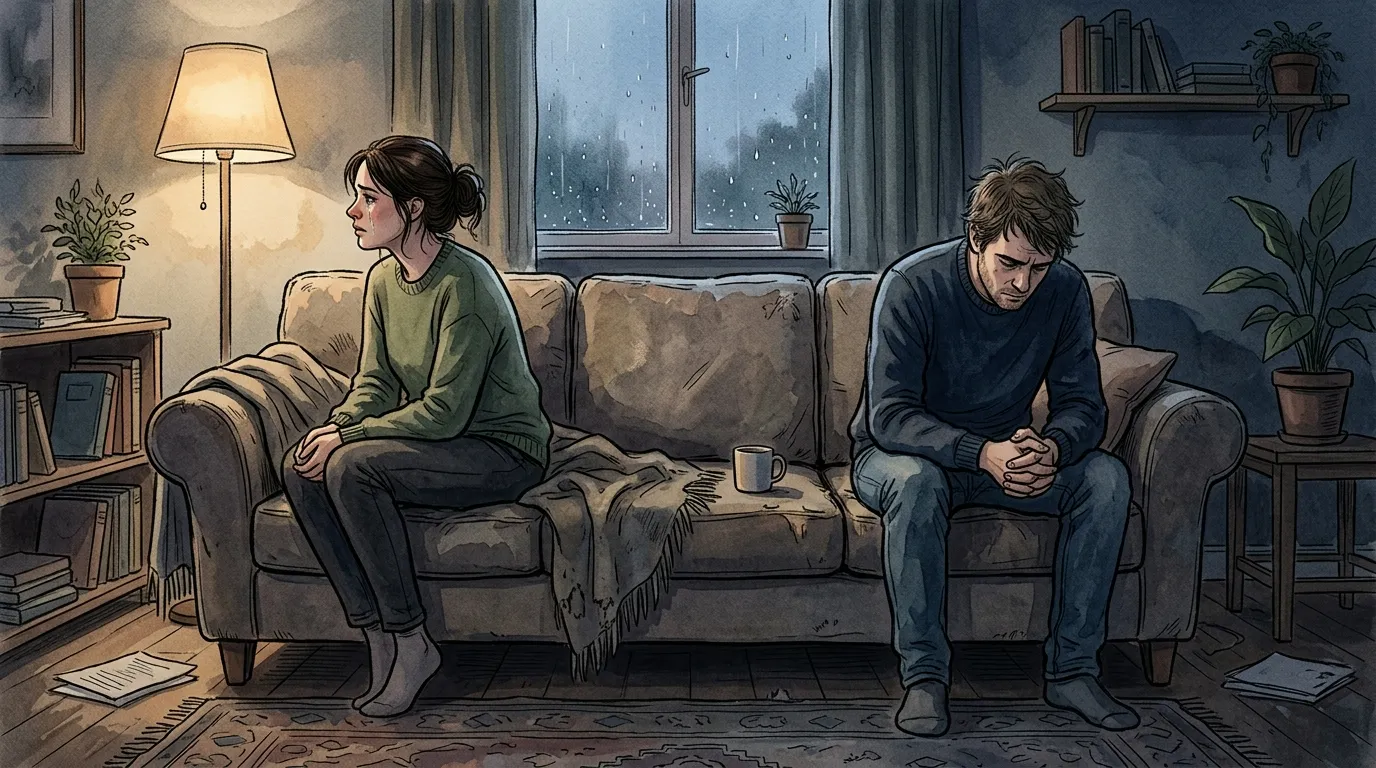
Before you can fix anything, you need to see it clearly. Many couples drift for months without naming the problem. They tell themselves it’s just stress, work, or a bad week. Sometimes that’s true. Other times, those small cracks widen into something serious.
Knowing the early signs gives you a head start. The sooner you act, the more options you have. A relationship that’s wobbling is far easier to steady than one that has already collapsed.
Emotional Distance and Disconnection
One of the clearest signals is emotional distance. You used to share your day, your worries, and your random thoughts. Now you keep things to yourself. Conversations feel transactional—who’s picking up groceries, who’s paying the bill—rather than personal.
This loss of emotional connection often happens quietly. No big fight, just a slow fading. You might still live together, eat together, and sleep in the same bed, yet feel completely alone. When that loneliness sets in, your relationship needs real attention.
Constant Conflict or Total Silence
Relationships in trouble tend to swing toward one of two extremes. Either you argue about everything, or you stop talking about anything that matters.
Watch for these patterns:
- Small issues spark big fights
- The same arguments repeat without resolution
- You avoid certain topics to keep the peace
- Silence replaces honest conversation
- You feel relief when your partner isn’t around
Both endless conflict and total silence point to the same thing: your communication skills have broken down, and the underlying issues aren’t getting solved.
Loss of Intimacy and Affection
Physical and emotional intimacy often fade together. The casual touches, the inside jokes, the comfortable closeness—these disappear when a relationship strains. You might feel more like roommates than partners.
Intimacy isn’t only about sex. It’s the sense of being truly seen and wanted. When that goes missing, both partners feel rejected, even if neither says it out loud.
Quick recap: Emotional distance, repeated conflict or silence, and lost intimacy are the loudest warning signs that a relationship is falling apart.
Why Relationships Fall Apart
Understanding the “why” matters as much as spotting the “what.” If you don’t know the root cause, you’ll keep treating symptoms while the real problem grows. Most relationship breakdowns trace back to a handful of common patterns.
Poor Communication
At the heart of most struggling relationships sits broken communication. Couples stop listening to understand and start listening to respond. They assume the worst, interrupt, and let small misunderstandings pile up into resentment.
Weak communication skills create a cycle. You feel unheard, so you raise your voice. Your partner feels attacked, so they shut down. Nothing gets resolved, and the distance grows. Most relationship advice circles back to this single issue because it touches everything else.
Unmet Needs and Expectations
Every person enters a relationship with needs—for affection, support, respect, or independence. Trouble brews when those needs go unspoken or unmet for too long.
Often, partners expect each other to “just know” what they want. When that doesn’t happen, disappointment builds. Over time, unmet expectations curdle into bitterness, and the emotional connection erodes.
Trust Breaches
Trust is the foundation everything else rests on. When it breaks—through infidelity, dishonesty, or broken promises—the whole relationship shakes. Rebuilding trust is possible, but it takes consistent effort and time.
Even small betrayals matter. A pattern of little lies or broken commitments can damage trust just as deeply as one major event. Once trust cracks, every interaction feels uncertain.
Growing Apart Over Time
People change. The person you fell for years ago has grown, and so have you. Sometimes couples grow in the same direction, and sometimes they don’t. When shared goals and values drift apart, the relationship can feel hollow.
This kind of drift is common in long-term relationships. It doesn’t mean love is gone—it means you need to reconnect around who you both are now, not who you used to be.
External Stress
Money problems, work pressure, family conflicts, and health issues all bleed into relationships. When stress mounts, patience runs thin, and partners often take their frustration out on each other.
External stress doesn’t cause a breakup on its own, but it exposes existing weaknesses. A strong relationship bends under pressure; a fragile one cracks.
How to Fix a Relationship That Is Falling Apart: Step by Step
Now for the part you came for. Learning how to fix a relationship that is falling apart isn’t about one grand gesture. It’s about small, steady changes that rebuild trust and closeness over time. Here’s a practical roadmap.
Step 1: Acknowledge the Problem Together
You can’t fix what you won’t admit. The first step is an honest conversation where both partners agree that something is wrong and that you both want to work on it.
This conversation requires courage. Choose a calm moment, not the middle of a fight. Speak from your own feelings rather than blame. Say “I feel distant from you lately” instead of “You never pay attention to me.” When both people own the problem, you become teammates instead of opponents.
Step 2: Improve Your Communication Skills

Communication sits at the center of every repair. If you only fix one thing, fix how you talk and listen to each other. Strong communication skills turn conflict into connection.
Practice these habits:
- Listen fully before responding. Don’t plan your reply while your partner speaks.
- Reflect back what you heard to confirm you understood.
- Use “I” statements to express feelings without attacking.
- Avoid absolutes like “always” and “never.”
- Take breaks when emotions run too high, then return to the topic.
These skills feel awkward at first. Keep practicing. Over time, they become natural, and your conversations shift from battles to bridges.
Active Listening in Practice
Active listening deserves its own focus because most people think they do it when they don’t. Real listening means giving your full attention—no phone, no interrupting, no rushing to fix the problem.
When your partner shares something hard, resist the urge to defend yourself. Instead, validate their feelings: “That makes sense” or “I can see why you felt that way.” Validation doesn’t mean you agree. It means you respect their experience, which lowers defenses and opens the door to honest talk.
Step 3: Rebuild Emotional Connection
Once communication improves, focus on rebuilding the emotional connection that drew you together. This is the warmth, trust, and closeness that make a relationship feel like home.
Reconnect with intention:
- Spend quality time together without distractions
- Ask open-ended questions about each other’s inner world
- Show appreciation for small things daily
- Revisit shared memories and create new ones
- Be physically affectionate, even in small ways
Emotional connection grows through consistent, caring moments—not occasional big gestures. A daily ten-minute check-in often does more than a yearly vacation.
Step 4: Rebuild Trust
If trust has been broken, repairing it becomes your priority. Trust returns slowly, through actions that match words over and over again.
The partner who broke trust must be patient, transparent, and consistent. The partner who was hurt must be willing to move forward rather than punish indefinitely. Both roles are hard. Both are necessary.
Set clear agreements about what rebuilding looks like. Honor those agreements without fail. Each kept promise lays another brick back into the foundation.
Step 5: Address Unmet Needs
Take time to share what you each need to feel loved and secure. Many couples never have this conversation directly, yet it solves so much.
Ask each other:
- What makes you feel most loved?
- What do you need more of from me?
- What’s one thing I could stop doing?
- How can I support you better?
Listen without getting defensive. Then commit to meeting those needs where you reasonably can. Feeling understood and prioritized rebuilds emotional connection fast.
Step 6: Spend Intentional Time Together
Connection fades when couples stop investing time. Busy schedules push the relationship to the bottom of the list. Reversing that takes deliberate effort.
Schedule regular time together and protect it like any other important commitment. It doesn’t have to be elaborate. A weekly date, a daily walk, or a tech-free dinner can rekindle closeness. The point is showing up for each other consistently.
Quick recap: Fixing a struggling relationship means admitting the problem, improving communication, rebuilding emotional connection and trust, meeting each other’s needs, and investing real time.
Communication Strategies That Save Relationships
Since communication underpins everything, it deserves a deeper dive. The way you handle hard conversations can either heal your relationship or push it further apart. These strategies sharpen your communication skills where it counts most.
Fight Fair During Conflict
Conflict is normal—even healthy. What matters is how you handle it. Fair fighting keeps disagreements productive instead of destructive.
Follow these ground rules:
- Stick to one issue at a time
- Attack the problem, not your partner
- No name-calling, contempt, or bringing up old wounds
- Take a timeout if things escalate
- Aim for resolution, not victory
When you fight fair, even tough conversations strengthen your bond because you both feel respected throughout.
Express Appreciation Regularly
Criticism comes easily; appreciation takes effort. Yet research shows healthy couples express far more positive interactions than negative ones. Gratitude keeps the emotional connection alive.
Tell your partner what you appreciate, specifically and often. Notice the small things they do. A simple “thank you for handling dinner” reminds them they matter, which softens the whole relationship.
Schedule Difficult Conversations
Hard talks ambush nobody when you plan them. Springing a serious topic on a tired or distracted partner rarely goes well.
Instead, agree on a good time to talk. This gives both of you space to prepare emotionally and approach the issue calmly. Scheduled conversations feel safer and produce better outcomes than heated, spontaneous confrontations.
When to Consider Couples Counseling
Sometimes love and effort aren’t enough on their own. When you’ve tried to fix things and keep hitting the same walls, couples counseling can offer the tools and guidance you’re missing.
There’s no shame in seeking help. In fact, reaching out shows commitment to the relationship. A trained professional sees patterns you can’t see from the inside and offers strategies tailored to your situation.
Signs You May Need Professional Help
Consider couples counseling when:
- You have the same fight over and over with no resolution
- Communication has completely broken down
- Trust has been seriously damaged
- You feel more like roommates than partners
- One or both of you is considering leaving
- Resentment or contempt has crept in
If several of these ring true, a counselor can help before things reach a breaking point.
What Couples Counseling Involves
Counseling provides a neutral space where both partners feel heard. A therapist guides conversations, teaches communication skills, and helps you understand the patterns driving your conflict.
Sessions often include exercises you practice at home. The goal isn’t to assign blame—it’s to give you both tools to reconnect and resolve issues. Many couples find that even a few sessions create real breakthroughs.
Making the Most of Counseling
To get value from couples counseling, both partners need to show up willing to participate. Treat it as a shared project, not a place to prove who’s right.
Be honest with your therapist, do the recommended exercises, and stay patient. Like all relationship advice, counseling works best when you apply it consistently between sessions, not just during the hour you’re there.
A Practical Relationship Repair Checklist

The table below summarizes the key areas to focus on, the actions that help, and how soon you can expect to feel a difference. Use it as a quick reference as you work through the repair process.
|
Focus Area |
Key Actions |
Difficulty |
Time to See Results |
|---|---|---|---|
|
Communication |
Active listening, “I” statements, fair fighting |
Moderate |
2–4 weeks |
|
Emotional Connection |
Quality time, appreciation, affection |
Easy to Moderate |
2–6 weeks |
|
Trust Rebuilding |
Transparency, consistency, kept promises |
Hard |
3–12 months |
|
Meeting Needs |
Honest conversations, follow-through |
Moderate |
1–4 weeks |
|
Professional Support |
Couples counseling, applying exercises |
Moderate |
1–3 months |
Every couple moves at their own pace. Use this table to set realistic expectations and to remind yourself that some areas, like trust, simply take longer than others.
Mistakes to Avoid When Repairing a Relationship
Good intentions can still go wrong. As you work on how to fix a relationship that is falling apart, watch out for these common missteps that quietly undo your progress.
Trying to Win Every Argument
A relationship isn’t a courtroom. When you focus on winning, your partner loses—and so does the relationship. Aim for understanding and solutions, not victory. Being right matters far less than being close.
Keeping Score
Tallying who did what creates resentment. “I did the dishes three times this week and you didn’t help once” turns partnership into competition. Let go of the scoreboard and focus on moving forward together.
Expecting Overnight Change
Relationships break down gradually, and they heal gradually too. Expecting instant results sets you up for disappointment. Celebrate small wins and trust that consistent effort adds up over time.
Avoiding the Hard Conversations
Sweeping problems under the rug feels easier in the moment, but unresolved issues never disappear—they fester. Face difficult topics with honesty and care. The discomfort of an honest talk beats the slow death of silence.
Going It Alone When You Need Help
Pride stops many couples from getting support they need. If your own efforts aren’t working, couples counseling isn’t a failure—it’s a smart, loving choice. Asking for help is a sign of commitment, not weakness.
Quick recap: Avoid winning at all costs, keeping score, expecting instant fixes, dodging hard talks, and refusing help.
How to Keep Your Relationship Strong Long-Term
Fixing a relationship is one thing; keeping it healthy is another. Once you’ve reconnected, the goal becomes maintenance. Strong relationships aren’t lucky—they’re tended carefully, every day.
Make Connection a Daily Habit
Don’t wait for problems to invest in your relationship. Build small habits that keep you close: a morning kiss, an evening check-in, a genuine “how was your day.” These tiny moments add up to a deep, lasting emotional connection.
Keep Communicating Openly
The communication skills you built during repair shouldn’t fade once things improve. Keep listening, keep sharing, and keep addressing issues early. Open communication prevents small problems from growing into big ones.
Grow Together
Since people change, commit to growing alongside your partner rather than apart. Share new experiences, support each other’s goals, and stay curious about who your partner is becoming. Couples who grow together stay together.
Schedule Regular Check-Ins
Set aside time—weekly or monthly—to talk about how the relationship feels. Ask what’s working, what isn’t, and what each of you needs. These check-ins catch problems early and reinforce that you’re a team.
Frequently Asked Questions
How do I know if my relationship is worth saving?
A relationship is usually worth saving when both partners still care and are willing to work on it. Look for mutual respect, shared history, and a desire to reconnect. If love remains beneath the conflict, repair is possible. The key factor is whether both people want to try.
Can a relationship recover after losing emotional connection?
Yes, lost emotional connection can often be rebuilt with consistent effort. Spend quality time together, show appreciation daily, and open up about your inner world. Reconnection happens through small, caring moments repeated over time. Patience and intention are what bring the warmth back.
What are the most important communication skills for couples?
The most valuable communication skills include active listening, using “I” statements, and validating your partner’s feelings. Avoiding blame and staying calm during conflict also matter greatly. These skills help both partners feel heard and respected. With practice, they transform arguments into honest, productive conversations.
How long does it take to fix a relationship that is falling apart?
Timelines vary widely depending on the issues involved. Communication and connection often improve within a few weeks, while rebuilding broken trust may take several months. Consistency matters more than speed. Small, steady changes create lasting results over time.
When should we consider couples counseling?
Consider couples counseling when you keep having the same fights with no resolution or when communication has broken down. It also helps after trust has been damaged or when you feel more like roommates. A therapist offers tools and perspective you can’t get alone. Seeking help early often prevents bigger problems.
Is it normal to argue in a healthy relationship?
Yes, occasional conflict is completely normal and even healthy. What matters is how you handle disagreements, not whether they happen. Fair fighting—staying respectful and focused on solutions—strengthens a relationship. Constant unresolved fighting, however, signals deeper problems that need attention.
How can we rebuild trust after it’s been broken?
Rebuilding trust requires consistent honesty, transparency, and follow-through over time. The partner who broke trust must be patient and reliable, while the hurt partner stays open to healing. Clear agreements and kept promises slowly restore security. Trust returns through actions, not just apologies.
What if only one partner wants to fix the relationship?
Repair is much harder when only one person is committed, but it isn’t always hopeless. Focus on your own behavior, communicate your willingness, and avoid pressuring your partner. Sometimes positive change inspires the other person to engage. If they remain unwilling, counseling or honest reflection may guide your next step.
How do we reconnect when we feel like roommates?
Start by intentionally spending quality time together without distractions. Revisit shared interests, express appreciation, and add small moments of affection back into your routine. Ask open questions to rediscover each other’s inner lives. Rebuilding emotional connection takes consistency, but the closeness can return.
Can external stress really damage a relationship?
Yes, stress from money, work, or family can strain even strong relationships. It shortens patience and often causes partners to take frustration out on each other. The key is facing stress as a team rather than turning against one another. Supporting each other through hard times actually deepens your bond.
What daily habits keep a relationship strong?
Simple daily habits make a big difference, like a genuine check-in, words of appreciation, and small acts of affection. Open communication and shared moments keep the emotional connection alive. Investing a little each day prevents distance from building. Consistency beats grand gestures every time.
Should we set rules for how we argue?
Yes, agreeing on fair-fighting rules helps keep conflict productive. Stick to one issue at a time, avoid name-calling, and take breaks when emotions escalate. These ground rules protect respect even during tough talks. Couples who fight fairly tend to resolve issues faster and feel closer afterward.
Final Thoughts
Learning how to fix a relationship that is falling apart takes courage, patience, and consistent effort from both partners. There’s no single magic fix—just steady steps that rebuild communication, trust, and emotional connection over time.
Start where you are. Have the honest conversation. Improve how you listen and speak. Make time for each other, meet each other’s needs, and don’t be afraid to seek couples counseling if you need extra support. The best relationship advice always comes back to showing up for each other, day after day.
Relationships that feel broken can become stronger than before. The cracks you repair together often turn into the deepest sources of connection. Take the first step today, stay committed, and give your relationship the chance it deserves.
